

The property market has changed significantly over the last few years, and one surprising winner has emerged: self-storage. It isn’t perhaps the flashiest corner of real estate, but it might just be one of the smartest investments in 2025. As lifestyles get more dynamic and businesses increasingly go remote, self-storage has evolved from basic storage sheds to sleek, tech-enabled hubs serving everyone, from Gen Z movers and retiring Boomers to small businesses looking for flexible, cost-effective solutions.
With high occupancy rates and demand outpacing supply in key markets, the self-storage sector is thriving. But here’s the catch: customers expect a lot more these days than a padlocked garage. If you’re an operator or investor, the message is clear. Stay ahead of the curve with smart self-storage access control to capture the next wave of growth.
Who’s Filling Up Units?
According to recent studies, such as the FEDESSA European Annual Industry Report 2024, self-storage demand is increasing across all age groups in 2025. Trends are highly connected to specific age groups and their evolving needs. Understanding why and how each demographic uses these spaces can provide a competitive advantage. Finding the right solutions to meet these rising demands, including access control for self-storage security, can help operators stay ahead. Let’s take a quick look at these target age groups.
Gen Z (18-24)
These digital natives don’t want their stuff tied to one zip code. With frequent moves between university, jobs, and travel, they expect self-storage to work like an app: seamless, affordable, and ready 24/7. Keyless entry access control for storage units? That’s their vibe!
Millennials (25-39)
As they combine families, side jobs, and small businesses, Millennials dominate the market. They need flexibility – climate-controlled units for baby gear, tools, or inventory and hybrid workspaces for e-commerce or shipping operations. Features like automated rental management, flexible booking options, and AI-driven inventory tracking can help streamline their experience. Smart, efficient, and on-the-go – just like them.
Gen X (40-55)
Gen X is probably the most powerful group of users, making up nearly half the renter base. They value both convenience and security – easy but highly secure gated access, motion sensors and locations near home. Larger units are a must for their mix of personal and professional needs.
Boomers and Seniors (56+)
Downsizing is big business. For Boomers, it’s about holding onto family heirlooms, while seniors want long-term solutions for sentimental items. They appreciate accessibility, climate controls, and the occasional human touch – on-site managers are still a plus for this target group.
B2B Self-Storage Customers (All Age Groups)
Businesses of all sizes, from startups to established companies, use self-storage for things like inventory, tools, records, or even as extra office space. They value convenience, security, and flexibility. Features like 24/7 access, climate-controlled units, larger storage options, and strong security are crucial for these customers. Businesses also need flexible rental terms to match their changing needs. By 2025, solutions like automated billing, AI-powered inventory tracking, and on-demand rentals may become more popular as companies look for ways to streamline operations and save costs.
The Tech-Driven Evolution of Storage
Self-storage has come a long way from traditional locks and handwritten contracts.
In 2025, it’s all about leveraging technology to improve customer convenience, satisfaction and operational efficiency. Here’s where the industry is heading:
24/7 Access with Smart Technology
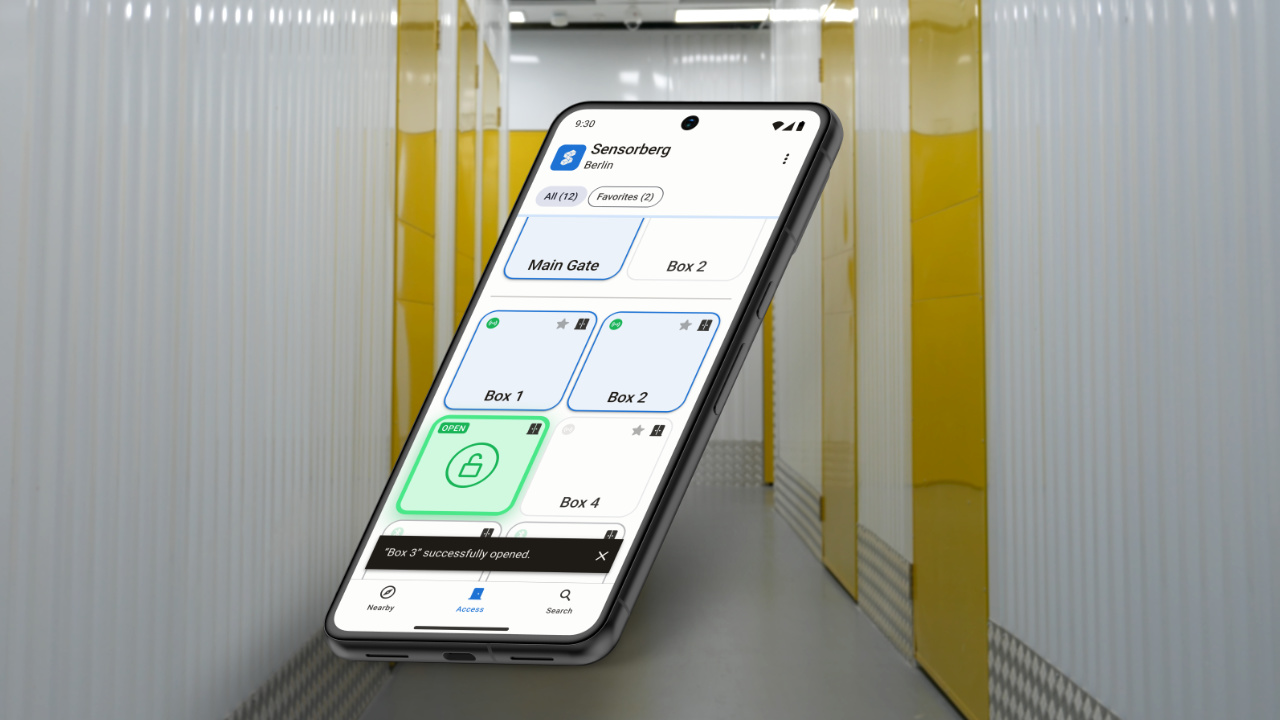
Understanding what is unmanned self storage is becoming essential for any operator serious about scaling. Keyless entry access control for storage units is becoming table stakes. Many facilities now provide self storage access control with a tenant app, letting renters unlock their units remotely, monitor activity, and make payments without stepping into an office. This kind of seamless digital experience isn’t just for tech-savvy renters – it appeals to anyone looking for convenience and flexibility, such as busy professionals, families, and small business owners who need easy, round-the-clock access to their belongings.
Climate-Controlled Units
The demand for temperature-controlled storage is rising as renters look to store sensitive items like electronics, artwork, and collectibles. Some facilities have even introduced adjustable climate zones to cater to specific needs, such as wine collectors in urban hubs like London and Paris, who prefer specialised cooling systems for their valuable collections.
On-Demand Mobile Storage
While traditional self-storage is thriving, app-based mobile storage services like PODS have redefined convenience by delivering storage containers directly to customers’ doorsteps. While this concept has been well-established in the United States, it is now making its way into Europe, with the United Kingdom leading the charge. Partnerships between traditional self-storage operators and mobile providers are expanding in response to growing demand across the continent.
Business Solutions
Small business owners need more than a space – they need operational support. Facilities equipped with features like package acceptance and delivery notifications have become a lifeline for e-commerce operators. For instance, some storage operators have integrated shipping stations directly into their facilities, making them hybrid storage-and-logistics hubs. Many self-storage operators offer scalable unit sizes and extended access hours, providing flexibility for growing businesses.
Top 3 Trends for Self-Storage in 2025
With advances in technology, shifts in consumer behaviour, and a growing emphasis on sustainability, the future of self-storage is set to be more convenient, efficient, and eco-friendly. Here are the top three trends shaping the self-storage market in 2025:
🕚 🔐 24/7 Access Control & Enhanced Security
The shift towards mobile apps and keyless entry is one of the defining trends of the decade. In 2025, expect more facilities embracing cloud-based self storage access management, giving operators centralised oversight of multiple locations while customers unlock units via smartphone, monitor activity, and handle payments entirely online.
Smart security features like surveillance cameras, motion sensors, and advanced access control systems will further enhance facility safety. Critically, many providers are also integrating offline capabilities. So if you’ve ever wondered, “does self storage access control work without internet?” the answer, increasingly, is yes. Providers like Sensorberg already implement solutions that allow seamless access via local authentication even during connectivity outages, ensuring uninterrupted service for tenants. It’s the smooth, 24/7 unmanned experience that modern customers now expect.
🤳 Contactless Rental Solutions
As demand for convenience continues to grow, contactless rental solutions will become increasingly popular. Customers will expect online reservations, digital contracts, and automated check-ins, enabling them to handle everything remotely without in-person interactions. Self-storage facilities will also adopt self-service kiosks and fully automated rental processes.
🌱 Sustainable Development
Eco-friendly upgrades are a priority and a powerful way to reduce self storage operating costs over the long term. Many facilities are incorporating energy-efficient lighting, solar panels, and sustainable building materials. Smart technology optimises energy consumption by adjusting lighting and climate control based on actual unit usage, cutting waste and lowering bills. These upgrades simultaneously appeal to eco-conscious renters and improve the bottom line for operators.
These trends are. and will be shaping the future of the self-storage industry in 2025, aligning with advancements in technology and customer expectations for convenience and sustainability.
The Role of AI in Self Storage
Artificial intelligence is rapidly integrating into the self-storage industry, enhancing both customer experiences and operational efficiency. From AI-powered inventory management to automated customer support, smart systems are streamlining processes. AI-driven chatbots, such as those offered by our close partner Kinnovis,, help facilities provide instant customer support and efficient service around the clock. In 2025, further integration of AI will optimise space, security, and energy use while elevating the overall customer experience.
Where’s the “Smart Money” Going?
While primary markets like London and Paris remain competitive, secondary and tertiary markets across Europe are the new frontier for self-storage growth. According to the latest FEDESSA report, 68% of Europe’s self-storage facilities are concentrated in key countries like the UK, France, Germany, and Spain. Suburban expansion, the rise of remote work, and population growth in smaller cities are creating prime development opportunities.
Investors are also focusing on value-add opportunities. Retrofitting older facilities with tech upgrades, such as keyless entry access control for storage units, climate control, or sustainability features like solar panels, is becoming essential for attracting eco-conscious renters and lowering operational costs. These upgrades are not only increasing facility efficiency but are also drawing more attention from investors seeking long-term growth potential in emerging markets.
The Big Picture
Self-storage is no longer just a place to store old furniture. It’s a dynamic, high-growth sector evolving with the needs of modern renters. Whether it’s Gen Z demanding tech-driven solutions or Boomers downsizing into long-term storage plans, operators and investors who embrace cloud-based access management, unmanned 24/7 operations, and sustainable infrastructure are poised for big wins in 2025.
If you’re in the self-storage business, it’s time to think beyond square footage. Build smarter, market sharper, and cater to a customer base that sees self-storage as more than a utility. It’s a service that fits their lifestyle.